
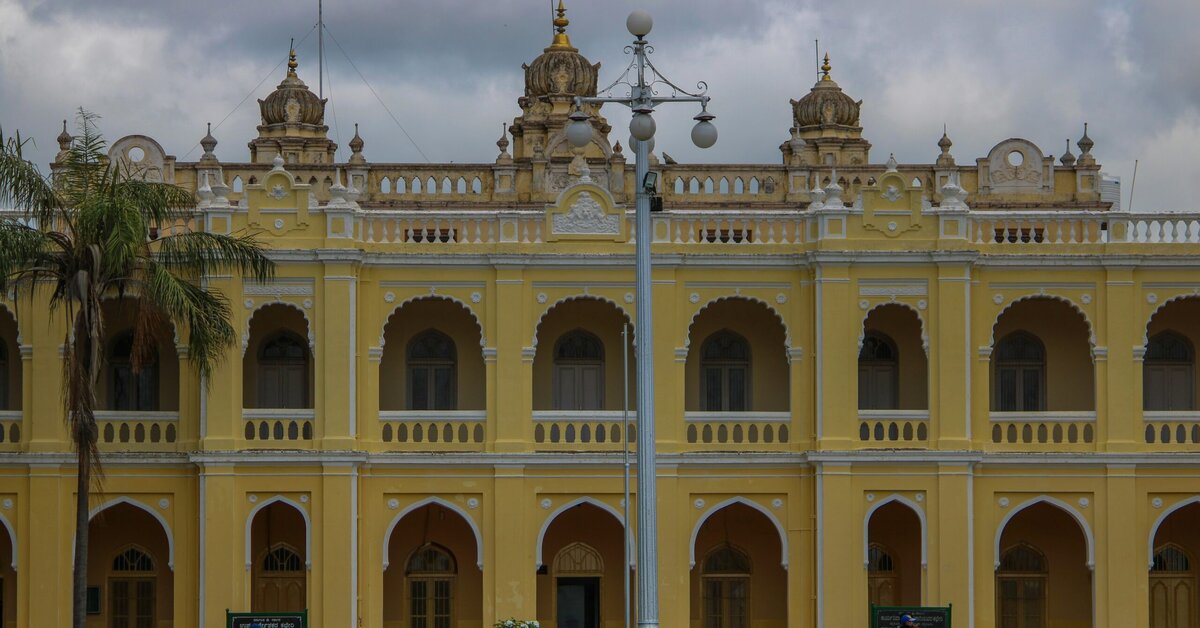
Varanasi and Ayodhya Tour Package from Gujarat ,Have you ever felt the pull of ancient cities calling out to your soul? For thousands of Gujarati travelers every year, the spiritual magnetism of Varanasi and Ayodhya creates an irresistible draw. These two sacred cities represent the very essence of Hindu spirituality—one where Lord Shiva resides eternally, and another where Lord Rama was born. Planning a tour package from Gujarat to these holy destinations isn’t just about booking tickets; it’s about embarking on a journey that transforms your spiritual understanding.
Gujarat, with its own rich tapestry of religious sites, shares a deep cultural connection with these northern pilgrimage centers. The journey from the land of Krishna to the abode of Rama and Shiva creates a spiritual circuit that millions find profoundly meaningful.
Why Choose a Tour Package from Gujarat?
Let’s be honest—planning a multi-city pilgrimage can feel overwhelming. Which temple should you visit first? Where will you stay? How do you navigate unfamiliar streets in distant cities? This is where a well-organized tour package becomes your spiritual companion.
Tour packages from Gujarat offer several compelling advantages. First, they eliminate the stress of logistics. Your transportation, accommodation, and itinerary are pre-arranged, allowing you to focus entirely on your spiritual experience rather than worrying about train timings or hotel bookings.
Second, these packages are surprisingly cost-effective. When you book flights, hotels, and local transport individually, costs add up quickly. Tour operators leverage their bulk bookings and local connections to offer competitive pricing that’s hard to match on your own.
Finally, guided tours provide context and depth. Having a knowledgeable guide explain the mythology behind each temple, the history etched in every stone, and the rituals performed at sacred ghats enriches your experience immeasurably. It’s the difference between seeing and truly understanding.
Understanding Varanasi: The City of Light
Historical Significance of Varanasi
Varanasi, also known as Kashi or Benares, is arguably the oldest continuously inhabited city in the world. Mark Twain famously said it’s “older than history, older than tradition, older even than legend.” Walking through its narrow lanes feels like stepping into a living museum where time operates on a different dimension.
This city has witnessed the rise and fall of empires, the birth of philosophies, and the eternal flow of the Ganges. For Hindus, dying in Varanasi and having your ashes immersed in the Ganges is believed to grant moksha—liberation from the cycle of rebirth. Can you imagine the spiritual weight a city carries when millions view it as the ultimate destination?
Top Attractions in Varanasi
Kashi Vishwanath Temple stands as the spiritual heart of Varanasi. This temple, dedicated to Lord Shiva, is one of the twelve Jyotirlingas. The current structure, built in 1780, gleams with gold plating donated by Maharaja Ranjit Singh. The energy here is palpable—devotees queue for hours just to catch a glimpse of the deity.
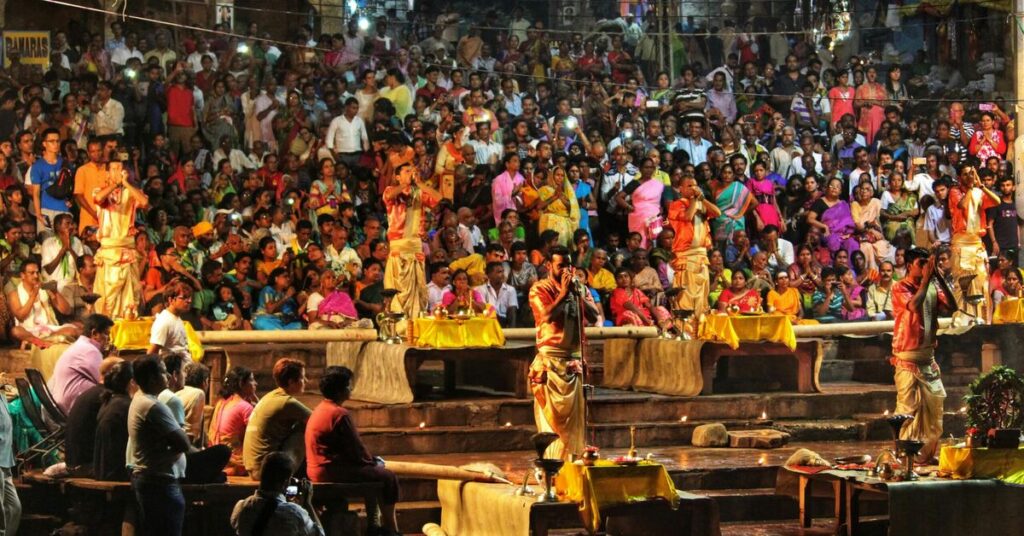
The Ghats of Varanasi form the city’s soul. These 88 stepped riverbanks create a spiritual amphitheater where life’s most profound moments unfold. Dashashwamedh Ghat hosts the mesmerizing Ganga Aarti every evening, where priests perform synchronized rituals with fire, bells, and chants that seem to make the river itself respond. Manikarnika Ghat, the main cremation ground, confronts visitors with the reality of life’s impermanence in the most direct way possible.
Just 10 kilometers from Varanasi, Sarnath marks the spot where Buddha delivered his first sermon after attaining enlightenment. The Dhamek Stupa, standing 43 meters tall, has witnessed 2,500 years of Buddhist pilgrimage. The archaeological museum here houses the famous Lion Capital, which became India’s national emblem.
Exploring Ayodhya: The Birthplace of Lord Rama
Religious Importance of Ayodhya
Ayodhya holds an unparalleled place in Hindu consciousness as the birthplace of Lord Rama, the seventh avatar of Vishnu and the protagonist of the epic Ramayana. This ancient city on the banks of the Sarayu River is mentioned in texts dating back thousands of years.
The recent construction of the new Ram Mandir at the Ram Janmabhoomi site has renewed global attention on Ayodhya. For millions of devotees, visiting Ayodhya is about connecting with the physical space where dharma (righteousness) itself was born in human form.
Must-Visit Places in Ayodhya
The Ram Janmabhoomi Temple complex represents decades of faith and determination. The magnificent new temple structure, inaugurated in 2024, showcases traditional Nagara-style architecture and stands as a testament to devotion. The sanctum sanctorum marks the exact spot believed to be Lord Rama’s birthplace.
Hanuman Garhi, a fortress-like temple dedicated to Lord Hanuman, requires climbing 76 steps. Legend says Hanuman lived here in a cave, guarding the Janmabhoomi. The temple’s architecture and the devotion of its daily visitors create an atmosphere of intense spiritual energy.
Kanak Bhawan, gifted to Goddess Sita by Rama’s stepmother Kaikeyi, is known for its gold-crowned deities of Rama and Sita. The temple’s intricate artwork and the romantic symbolism of the divine couple make it a favorite among visitors.
How to Reach Varanasi and Ayodhya from Gujarat
By Air
Flying is the fastest option for Gujarat travelers. Major cities like Ahmedabad, Surat, and Vadodara have regular flights to Varanasi’s Lal Bahadur Shastri International Airport. The flight duration is approximately 2 to 2.5 hours. From Varanasi, Ayodhya is about 200 kilometers away, typically covered by road in 3-4 hours.
Ayodhya recently opened its own airport (Maharishi Valmiki International Airport), which has started receiving flights from major Indian cities, making access even more convenient.
By Train
Train travel offers a budget-friendly alternative with a cultural experience. Ahmedabad and other Gujarat cities have direct trains to Varanasi Junction. Popular trains include the Sabarmati Express and the Ahmedabad-Varanasi Express. The journey takes approximately 24-30 hours, but many travelers appreciate the opportunity to see the Indian countryside transform from the arid landscapes of Rajasthan to the fertile plains of Uttar Pradesh.
From Varanasi, multiple trains connect to Ayodhya Junction (the station recently renamed Ayodhya Cantt), making the inter-city journey convenient.
By Road
Road trips from Gujarat to Varanasi span roughly 1,400-1,600 kilometers depending on your starting point. While this is feasible, most tour packages use air or train travel for the main journey and reserve road travel for local sightseeing and the Varanasi-Ayodhya connection.
What’s Included in a Typical Tour Package?
Accommodation Options
Tour packages typically offer tiered accommodation to suit different budgets. Budget packages might include comfortable 2-star hotels or dharamshalas near temple areas. Mid-range packages feature 3-star hotels with modern amenities. Luxury packages provide stays at heritage hotels or 4-5 star properties with views of the Ganges or located in prime areas.
Most packages ensure accommodations are centrally located, reducing travel time to major attractions. After all, who wants to waste precious pilgrimage time stuck in traffic?
Transportation Facilities
A comprehensive package includes airport/railway station transfers, inter-city travel between Varanasi and Ayodhya, and local sightseeing in comfortable, air-conditioned vehicles. Some luxury packages even offer private vehicles for added flexibility and comfort.
For local experiences, packages might include boat rides on the Ganges—an absolute must-do to understand Varanasi’s essence. Watching the sunrise from a boat as the city awakens to temple bells and morning prayers is transcendent.
Meals and Dining
Most packages operate on a breakfast-included basis, with some offering half-board (breakfast and dinner) or full-board options. The culinary landscape of Varanasi and Ayodhya is predominantly vegetarian, aligning well with Gujarat’s food culture.
Vegetarian and Jain Food Options
Gujarat travelers, many of whom follow strict vegetarian or Jain dietary practices, will find these cities remarkably accommodating. Tour operators familiar with Gujarat clientele ensure restaurants understand requirements like no onion-garlic preparations for Jain travelers. The local cuisine—from Banarasi chaat to simple sattvic temple food—offers delicious variety while respecting dietary preferences.
Best Time to Visit Varanasi and Ayodhya
Weather Considerations
The ideal time to visit these northern cities is during the cooler months from October to March. Gujarat travelers accustomed to moderate winters will find this period comfortable, with temperatures ranging from 5°C to 25°C. The winter mornings at the Ganges ghats can be chilly, so packing light woolens is advisable.
Summer months (April to June) see temperatures soaring above 40°C—manageable for Gujaratis used to summer heat, but the spiritual experience is more enjoyable in pleasant weather. Monsoon season (July to September) brings humidity and occasional flooding near river areas, though the rain-washed ghats have their own mystical beauty.
Festival Season Travel
Visiting during festivals amplifies the spiritual experience exponentially. Dev Deepawali (usually in November), when all the ghats are illuminated with millions of lamps, transforms Varanasi into a city of light in the truest sense. However, festival periods also mean larger crowds and higher prices.
In Ayodhya, Ram Navami (March-April) celebrating Lord Rama’s birth attracts enormous crowds. If you’re seeking the most intense devotional atmosphere, this is the time. If you prefer quieter contemplation, choose off-peak periods.
Sample Itinerary for a 5-Day Tour
Day 1: Arrival in Varanasi
Your spiritual journey begins as you arrive in Varanasi by flight or train. After hotel check-in and freshening up, spend your evening at Dashashwamedh Ghat witnessing the spectacular Ganga Aarti. The synchronized movements of priests, the sound of bells, the fragrance of incense, and the sight of hundreds of lamps reflected in the sacred river create an unforgettable first impression.
Day 2: Varanasi Sightseeing
Rise early for a sunrise boat ride on the Ganges—trust me, setting your alarm is worth it. You’ll witness the city’s spiritual rhythm as devotees perform yoga, prayers, and ritual baths along the ghats. After breakfast, visit the Kashi Vishwanath Temple (be prepared for queues, but the darshan is spiritually rewarding).
Afternoon trips include Sarnath, where you’ll explore Buddhist history at the Dhamek Stupa and archaeological museum. Evening can be spent exploring Varanasi’s famous silk markets or attending another Ganga Aarti at a different ghat.
Day 3: Varanasi to Ayodhya
After breakfast, depart for Ayodhya via road or train. The 200-kilometer journey takes 3-4 hours. Upon arrival, check into your hotel and visit the evening aarti at Sarayu River ghats. Ayodhya’s atmosphere is distinctly different from Varanasi—more serene and focused on Rama bhakti (devotion).
Day 4: Ayodhya Exploration
Begin with darshan at the Ram Janmabhoomi Temple. The new temple complex is expansive, so allocate sufficient time. Next, climb to Hanuman Garhi and feel the powerful energy of Hanuman’s devotion. Kanak Bhawan offers a more intimate spiritual experience with its beautifully adorned deities.
Other sites include Nageshwarnath Temple (one of Lord Shiva’s temples associated with the Ramayana) and the Guptar Ghat where Rama is believed to have taken jal samadhi. Each location adds layers to your understanding of the Ramayana.
Day 5: Return Journey
After breakfast and a final prayer at the Sarayu River, begin your return journey to Gujarat. Most packages arrange the return via Varanasi airport or railway station, allowing you to depart the same day or the following morning depending on your preference.
Cost Breakdown of Tour Packages
Budget-Friendly Options
Budget packages from Gujarat to Varanasi and Ayodhya typically range from ₹15,000 to ₹25,000 per person for a 4-5 day tour. These include basic 2-star accommodation, train travel (AC 3-tier), vegetarian meals (breakfast and dinner), and essential sightseeing in shared vehicles. These packages are perfect for devotees prioritizing the spiritual journey over luxury.
Mid-Range Packages
Mid-range options cost approximately ₹30,000 to ₹45,000 per person. These feature 3-star hotels, flight travel, more comfortable transportation, all meals, and additional experiences like private boat rides or extended sightseeing. The added comfort significantly enhances the overall experience without breaking the bank.
Luxury Tours
Premium packages range from ₹50,000 to ₹80,000+ per person. These include 4-5 star hotels (sometimes heritage properties), business class flights, private vehicles throughout, personalized guides, special darshan arrangements where possible, spa facilities, and curated dining experiences. For those who want their spiritual journey wrapped in comfort, these packages deliver.
Remember, prices fluctuate based on season, group size, and specific inclusions. Group bookings often receive discounts, making it worthwhile to organize with family or community members.
Tips for Gujarat Travelers
Cultural Etiquette
While Gujarat and Uttar Pradesh share Hindu cultural foundations, regional differences exist. In temples, remove shoes and avoid leather items. Photography is prohibited inside most temple sanctums. Dress modestly—covering shoulders and knees is respectful, especially for women.
The Ganges is deeply sacred to locals. Avoid pointing your feet toward the river or temples. If you take a holy dip, do so respectfully, following the lead of local devotees. Don’t litter or pollute the river—something conscious travelers understand well.
Packing Essentials
Pack light cotton clothing for warm days and light woolens for winter evenings. Comfortable walking shoes are essential for temple visits and ghat explorations. Carry a small bag for temple visits (large bags often aren’t allowed inside).
Don’t forget essentials like sunscreen, hand sanitizer, and any personal medications. A reusable water bottle is environmentally friendly and practical. If you’re particular about toiletries or dietary items, bring them along as familiar brands might be harder to find.
Language and Communication
While Hindi is the primary language in Varanasi and Ayodhya, many people understand basic English. Gujarati travelers might find Hindi easier if they’ve learned it through media or education. Tour packages with Gujarati guides can be particularly valuable, especially for elderly travelers more comfortable in their mother tongue.
Download translation apps or keep a pocket phrasebook handy. Most importantly, a smile and respectful gestures transcend language barriers in these spiritual cities.
Popular Tour Operators Offering Gujarat to Varanasi-Ayodhya Packages
Several reputable tour operators cater specifically to Gujarat travelers. Companies like Gujarat Tours, Kesari Tours, Veena World, and Thomas Cook offer dedicated packages for this route. Regional operators based in Ahmedabad, Surat, and Vadodara often provide more personalized service and understand Gujarat-specific needs like dietary preferences.
When selecting an operator, check reviews, verify IATA/TAAI registration, understand cancellation policies, and ensure they have local contacts in Varanasi and Ayodhya for emergencies. Speaking with past travelers from your community can provide valuable insights.
Many operators now offer customizable packages, allowing you to adjust the itinerary, accommodation level, or duration to match your preferences and budget perfectly.
Personal Experiences: What Travelers Say
Rajeshbhai from Ahmedabad shares: “We took a 5-day package last November. The Ganga Aarti at Dashashwamedh Ghat brought tears to my eyes—it was that powerful. Our guide helped us understand the deep mythology behind every temple. Worth every rupee.”
Priyaben from Surat says: “As a Jain, I was concerned about food options, but our tour operator arranged everything perfectly. The darshan at Ram Janmabhoomi was the spiritual highlight of my life. Seeing the new temple’s grandeur filled me with emotion.”
Kiritbhai from Vadodara reflects: “The boat ride at sunrise in Varanasi is something everyone must experience. You see life, death, devotion, and eternity all at once. It changed my perspective on so many things.”
These testimonials capture what statistics cannot—the transformative power of these ancient cities on modern souls.
Conclusion
A Varanasi and Ayodhya tour package from Gujarat offers more than just a vacation—it’s a pilgrimage that connects you with millennia of faith, culture, and spiritual wisdom. These cities, where gods are believed to have walked and where devotion flows as eternally as the Ganges, offer experiences that resonate long after you return home.
Whether you’re seeking spiritual fulfillment, cultural enrichment, or simply a break from routine life, this journey delivers on all fronts. The convenience of organized packages removes logistical stress, allowing you to immerse yourself fully in the experience. From the ghats of Varanasi where life and death dance in harmony, to the sacred birthplace of Lord Rama in Ayodhya, every moment becomes a memory etched in your soul.
So why wait? The ancient cities are calling. Your spiritual journey from Gujarat to the heart of Hindu civilization awaits. Book your package, pack your bags, and prepare for a transformation that goes beyond sightseeing into the realm of the sacred.
FAQs
1. What is the average cost of a Varanasi and Ayodhya tour package from Gujarat?
The cost varies based on accommodation level and travel class, but typically ranges from ₹15,000 for budget packages to ₹80,000+ for luxury options per person for a 4-5 day tour. Mid-range packages averaging ₹30,000-₹45,000 offer the best balance of comfort and value for most travelers.
2. How many days are needed to properly visit both Varanasi and Ayodhya?
A minimum of 4-5 days is recommended to experience both cities without rushing. This allows 2 days in Varanasi, 1-2 days in Ayodhya, plus travel time. If you want a more relaxed pace with deeper exploration, consider 6-7 days. Remember, spiritual experiences shouldn’t be hurried.
3. Is it safe for families and elderly travelers from Gujarat to take this tour?
Absolutely. These cities are major pilgrimage centers with well-developed infrastructure for tourists. Reputable tour packages provide safe, comfortable transportation and accommodation. The walking at ghats and temples can be managed at your own pace. Many operators offer packages specifically designed for senior citizens with slower itineraries and additional assistance.
4. What is the best month to visit Varanasi and Ayodhya from Gujarat?
November to February offers the most comfortable weather with pleasant temperatures ideal for sightseeing and temple visits. October and March are also good options. If you want to witness Dev Deepawali (usually November), plan accordingly but expect higher prices and crowds. Avoid peak summer (May-June) unless you’re comfortable with intense heat.
5. Are there direct flights from Gujarat cities to Varanasi and Ayodhya?
Yes, major Gujarat cities like Ahmedabad have direct flights to Varanasi with a journey time of about 2-2.5 hours. Ayodhya’s new airport has started operations with connections to major cities. Alternatively, several direct trains connect Gujarat to Varanasi, offering a budget-friendly option with journey times of 24-30 hours. Your tour package will typically include the most convenient travel option based on your budget.




Comments are closed.